Korean Bibimbap
Highlighted under: Favorite World Food Favorites
Korean Bibimbap is a vibrant and nutritious mixed rice dish topped with a variety of vegetables, meat, and a fried egg, all served with a spicy gochujang sauce.
Korean Bibimbap is not just a meal; it's a colorful celebration of flavors and textures. Originating from Korea, this dish consists of warm rice topped with an assortment of sautéed vegetables, marinated meat, and a fried egg, all mixed together with a spicy gochujang sauce. It's perfect for any occasion, bringing together a balance of nutrition and taste.
Why You Will Love This Recipe
- A delightful mix of textures and flavors in every bite
- Customize with your favorite vegetables and proteins
- Healthy and satisfying meal perfect for any time of the day
The Origins of Bibimbap
Bibimbap, which translates to 'mixed rice,' is a traditional Korean dish that has been enjoyed for centuries. Originating from the Joseon Dynasty, it was originally served as a royal dish during celebrations. Over time, it evolved into a popular meal enjoyed by people from all walks of life. The concept of mixing various ingredients symbolizes harmony and balance, making it more than just a dish but a reflection of Korean culture.
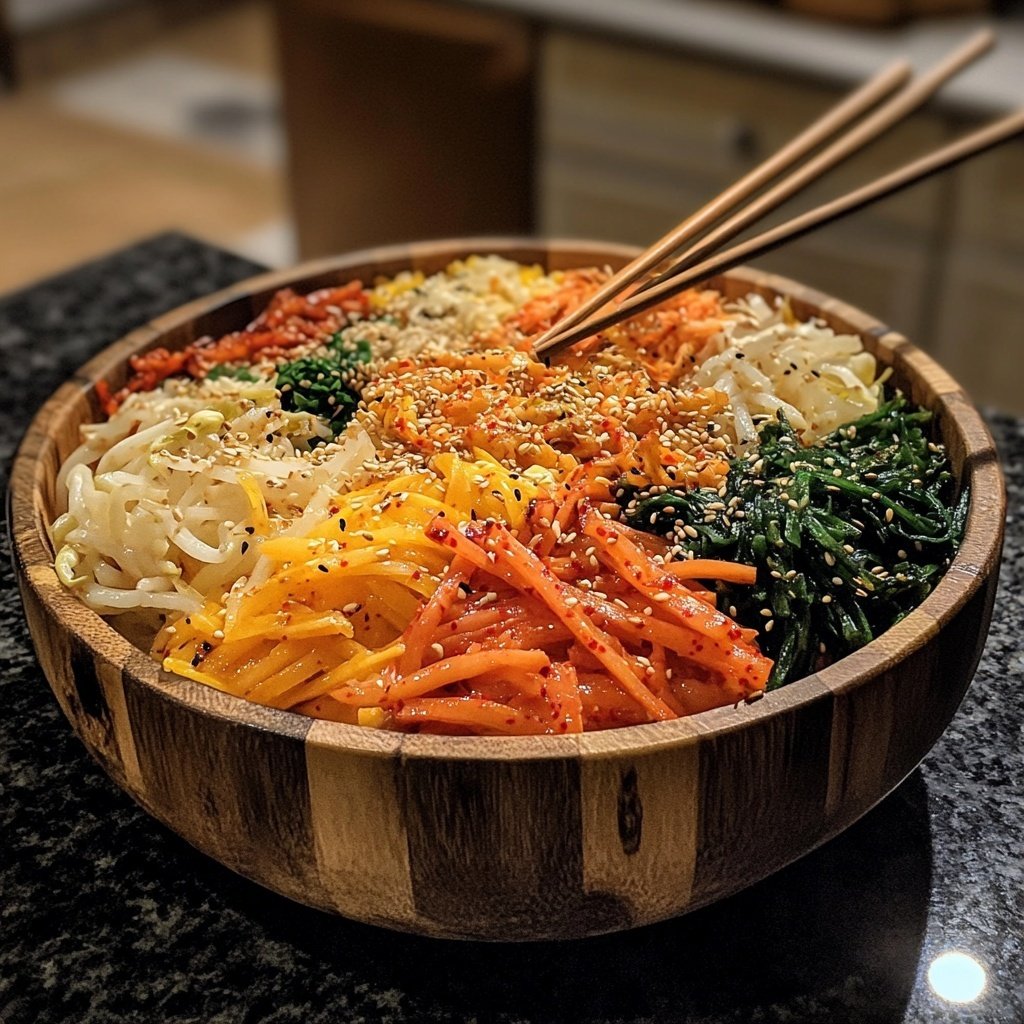
The vibrant colors of bibimbap represent the five elements in traditional Korean philosophy: wood, fire, earth, metal, and water. Each vegetable and ingredient is carefully chosen not only for its flavor but also for its nutritional benefits, making bibimbap a wholesome meal that nourishes both body and spirit.
Health Benefits of Bibimbap
One of the standout features of bibimbap is its nutritional profile. Packed with a variety of vegetables, this dish is rich in vitamins, minerals, and fiber. Spinach, carrots, and zucchini provide essential nutrients that support overall health, while the protein from the beef or tofu helps to build and repair tissues in the body.
Bibimbap is also incredibly customizable, allowing you to cater to specific dietary needs. Whether you're looking for a vegetarian option or need to adjust the spice level, you can easily make this dish your own without sacrificing taste. This flexibility makes it a great choice for families or groups with diverse preferences.
Tips for Perfecting Your Bibimbap
To achieve the perfect bibimbap, ensure that each ingredient is cooked to the right texture. For instance, the vegetables should be tender yet retain a slight crunch. Blanching the spinach and bean sprouts helps to maintain their vibrant color and nutrients, while sautéing the carrots and zucchini adds depth of flavor.
Don't overlook the importance of the gochujang sauce! This spicy chili paste is essential for adding a kick to your bibimbap. Adjust the amount according to your heat preference, and consider mixing in a bit of vinegar or honey for added complexity. Remember, the balance of flavors is key.
Ingredients
Gather the following ingredients to make your delicious Korean Bibimbap:
For the Bibimbap
- 2 cups cooked jasmine rice
- 1 cup spinach, blanched
- 1 cup bean sprouts, blanched
- 1 cup carrots, julienned
- 1 cup zucchini, julienned
- 1 cup shiitake mushrooms, sliced
- 4 eggs
- 1 pound beef (or tofu for a vegetarian option), thinly sliced
- 3 tablespoons soy sauce
- 2 tablespoons sesame oil
- 2 tablespoons gochujang (Korean chili paste)
- 1 tablespoon sesame seeds
- Salt and pepper to taste
Make sure to have all ingredients prepped and ready to go for an efficient cooking experience!
Instructions
Follow these steps to create a perfect Korean Bibimbap:
Prepare the Ingredients
In a bowl, mix the sliced beef with soy sauce, sesame oil, salt, and pepper. Let it marinate for about 15 minutes while you prepare the vegetables.
Cook the Vegetables
In a large pan, sauté the carrots, zucchini, and shiitake mushrooms in sesame oil until tender. Season with a pinch of salt. Set aside each vegetable separately.
Cook the Beef
In the same pan, cook the marinated beef over medium heat until fully cooked, about 5-7 minutes. Remove and set aside.
Fry the Eggs
In the pan, add a little more oil and fry the eggs sunny-side up until the whites are set but the yolks are still runny.
Assemble the Bibimbap
In a bowl, place a generous scoop of rice. Arrange the cooked vegetables, beef, and a fried egg on top. Sprinkle with sesame seeds and serve with gochujang on the side.
Mix everything together before eating for the best experience!
Pro Tips
- Feel free to customize your bibimbap with different vegetables or proteins based on your preference. You can also use brown rice for a healthier option.
Serving Suggestions
Bibimbap is traditionally served in a hot stone bowl, which helps to create a crispy rice layer at the bottom. If you don't have a dolsot (stone bowl), a regular bowl works just fine. To enhance the experience, consider serving it with a side of kimchi or pickled vegetables, which add an additional layer of flavor and texture.
For a complete meal, pair your bibimbap with a refreshing Korean cucumber salad or a warm miso soup. These sides complement the dish beautifully and create a well-rounded dining experience. Don't forget to pour a little extra gochujang on top for those who love a spicy kick!
Storing and Reheating Leftovers
If you have leftovers, bibimbap stores well in the refrigerator for up to three days. To keep the ingredients fresh, it's best to store the vegetables and protein separately from the rice. When you're ready to enjoy it again, reheat the rice in the microwave or on the stovetop, and quickly sauté the vegetables to bring back their original texture.
For those who enjoy the crispy rice texture, try reheating the rice in a pan with a little oil until it forms a golden crust. You can also add a splash of water and cover the pan to steam the rice slightly, making it fluffy again. Just be sure to reheat the protein and vegetables separately to maintain their flavors and textures.
Questions About Recipes
→ Can I make Bibimbap vegetarian?
Absolutely! Just substitute the beef with tofu or additional vegetables.
→ How can I store leftovers?
Store the components separately in airtight containers in the fridge for up to 3 days.
→ What can I use instead of gochujang?
You can use sriracha or a mix of chili powder and miso as an alternative.
→ Can I prepare the ingredients in advance?
Yes, you can prep the vegetables and marinate the meat a day ahead to save time.
Korean Bibimbap
Created by: Cassandra Reed
Recipe Type: Favorite World Food Favorites
Skill Level: Intermediate
Final Quantity: 4 servings
What You'll Need
For the Bibimbap
- 2 cups cooked jasmine rice
- 1 cup spinach, blanched
- 1 cup bean sprouts, blanched
- 1 cup carrots, julienned
- 1 cup zucchini, julienned
- 1 cup shiitake mushrooms, sliced
- 4 eggs
- 1 pound beef (or tofu for a vegetarian option), thinly sliced
- 3 tablespoons soy sauce
- 2 tablespoons sesame oil
- 2 tablespoons gochujang (Korean chili paste)
- 1 tablespoon sesame seeds
- Salt and pepper to taste
How-To Steps
In a bowl, mix the sliced beef with soy sauce, sesame oil, salt, and pepper. Let it marinate for about 15 minutes while you prepare the vegetables.
In a large pan, sauté the carrots, zucchini, and shiitake mushrooms in sesame oil until tender. Season with a pinch of salt. Set aside each vegetable separately.
In the same pan, cook the marinated beef over medium heat until fully cooked, about 5-7 minutes. Remove and set aside.
In the pan, add a little more oil and fry the eggs sunny-side up until the whites are set but the yolks are still runny.
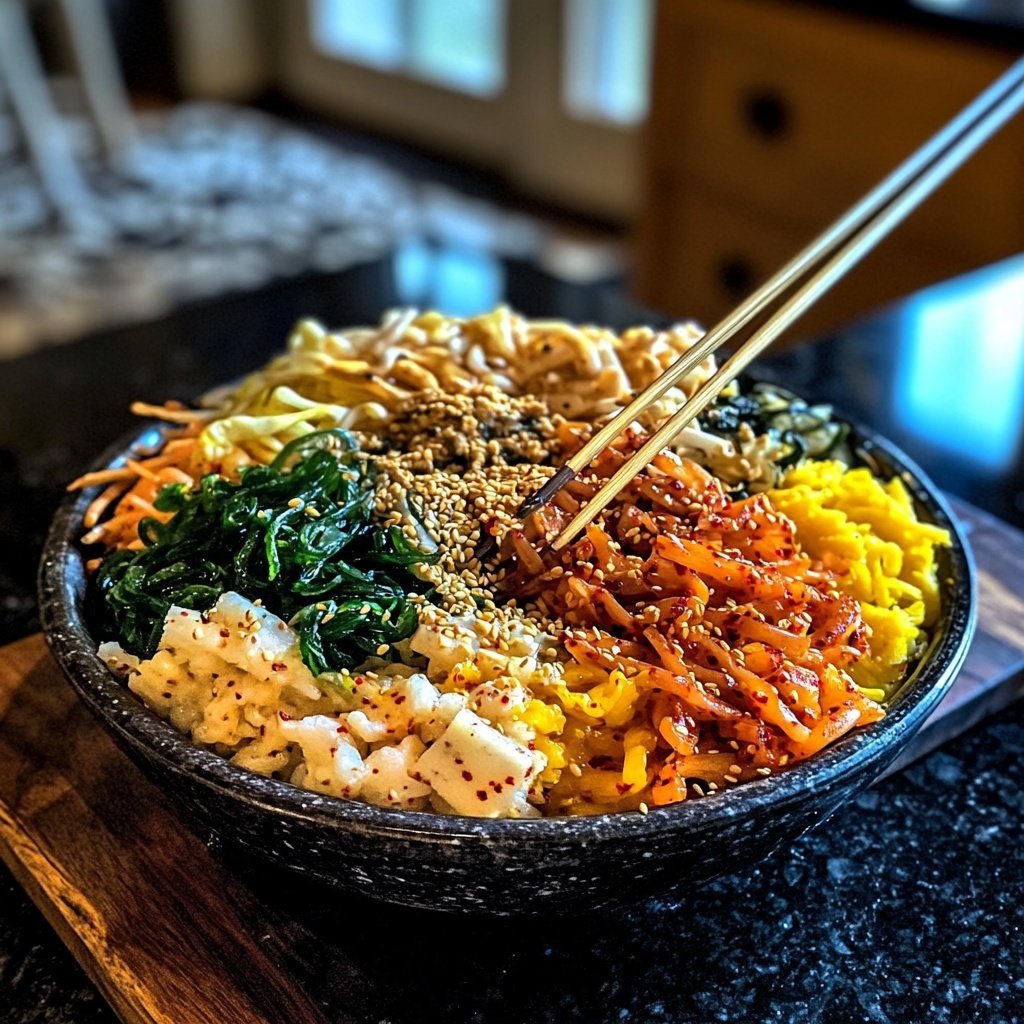
In a bowl, place a generous scoop of rice. Arrange the cooked vegetables, beef, and a fried egg on top. Sprinkle with sesame seeds and serve with gochujang on the side.
Extra Tips
- Feel free to customize your bibimbap with different vegetables or proteins based on your preference. You can also use brown rice for a healthier option.
Nutritional Breakdown (Per Serving)
- Calories: 550 kcal
- Total Fat: 18g
- Saturated Fat: 4g
- Cholesterol: 195mg
- Sodium: 600mg
- Total Carbohydrates: 75g
- Dietary Fiber: 5g
- Sugars: 5g
- Protein: 24g